
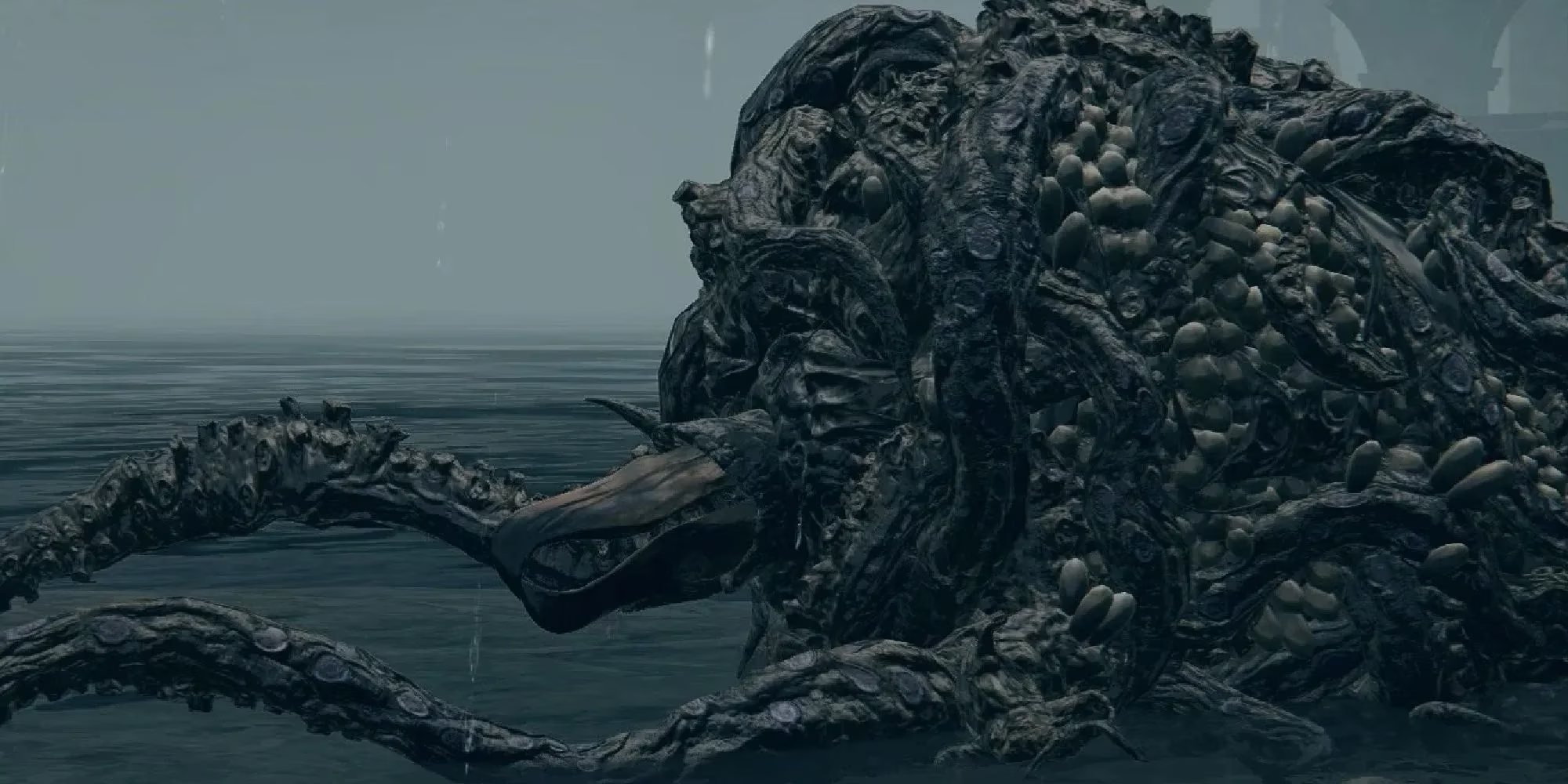
Yo, fellow Tarnished! Let's dive deep into the Lands Between and uncover one of Elden Ring's most unsettling environmental stories. We're talking about those giant, squishy balls of tentacles you've definitely rolled past on the beaches – the Giant Land Octopi. At first glance, they seem kinda gross but harmless, right? Just another weird monster in a world full of them. Stone faces on boulders, marionette-cage soldiers, worm-faced nobles... the competition for "most disturbing" is fierce. But trust me, after today, you'll never look at these beach-dwelling blobs the same way again.
From Squishy Ball to Nightmare Fuel: The Item Lore
So, what's the big deal? It all starts when you stop smacking them for runes and start reading the item descriptions. This is where FromSoftware hides its darkest secrets, and the octopi lore is a masterclass in horror.
First up, the Land Octopus Ovary. The description is brutally direct:
"Land octopuses eat humans in order to bear young, and theirs is the blood that runs through these ovaries."
Let that sink in. 🐙 + 👤 = 🥚. They don't just eat anything; their reproductive cycle is specifically fueled by human consumption. Every single one of those egg sacs you see pulsating on the adult octopi? Each represents a person who had the misfortune of taking a stroll on the wrong beach. Suddenly, that "impenetrable ball of squishy death" is a tomb and a womb all in one. It’s a chilling piece of ecological world-building that reframes them from monsters to... something far more parasitic and deliberate.
The 'Warm' Helmet and Its Implications
If you thought it couldn't get creepier, let's talk about the Octopus Head – yes, the helmet you can wear. Its description reads:
"A land octopus whelp worn directly on the head. Has a lingering warmth reminiscent of human skin. Those who can withstand the smell will find its organic elasticity excellent for negating strikes."
Now, "reminiscent of human skin" is bad enough. But remember the ovary description? These "whelps" are the offspring born from human consumption. That "lingering warmth" takes on a profoundly disturbing new meaning. It's not just skin-like; it's a byproduct of a horrific life cycle. Wearing this helmet is essentially wearing the skin of a creature born from a human corpse. The defensive benefits come with a massive side of existential dread. 😨
Mysterious Drops and Speculative Breeding
The lore gets even more mysterious when we look at what else these creatures drop.
| Item Dropped | By | Description Clue |
|---|---|---|
| Land Octopus Ovary | Adult Octopi | Confirms human consumption for reproduction. |
| Strip of White Flesh | Adult Octopi | From a "bloodless creature." |
| Sacramental Bud | Young Octopi | "...cultivated with youthful, sacramental blood." |
This last one is the real kicker. The Sacramental Bud is also dropped by:
-
Millicent and her sisters
-
Stray Dogs
-
Revenants
This creates a weird, bloody link between these entities. The buds are tied to "sacramental blood." Given that we know octopi need human blood/consumption to reproduce, a terrifying theory emerges: Someone, or something, might be deliberately breeding these octopi.
Think about it. Why would the young ones drop an item linked to ceremonial blood? Are they being farmed? Is their human-based biology being harvested or utilized in some grand, horrible ritual? The fact that the buds connect them to beings like Millicent (who are themselves embroiled in blood-centric quests) suggests this is no accident. The world of Elden Ring is one of cycles, curses, and experimentation. Breeding a creature that requires human flesh to multiply fits the modus operandi of several factions perfectly.
Why This Lore Hits Different
-
Environmental Storytelling: You see them on beaches, often near ruins or wrecks. Were they waiting for sailors? Were they placed there?
-
Passive Horror: They don't scream or chase you with cleavers. Their horror is quiet, metabolic, and inevitable. They just are, a fact of the ecosystem.
-
Personal Gear Connection: You can wear a part of their life cycle. It forces complicity. To get that defense boost, you have to engage with the horror.
It’s a small detail in a vast game, but it perfectly encapsulates the dread of the Lands Between. The greatest horrors aren't always the dragons or the demigods; sometimes, they're the things that quietly repurpose human life into something else entirely, all while looking like a weird, sleepy beach ball.
So next time you're farming for Sacramental Buds or just running along the Mistwood shoreline, give those octopi a second look. That squishy exterior hides a cycle of life, death, and reproduction that's darker than any catacomb. And the thought that someone might be out there, feeding them on purpose? Yeah, I'm gonna stick to the cliffs for a while. Stay safe out there, Tarnished! ✌️