
For over a decade, FromSoftware's Soulsborne series has captivated gamers with its challenging combat, intricate worlds, and cryptic lore. As the studio's empire expanded with the monumental success of Elden Ring in 2022, it became clear that certain core elements are non-negotiable staples of their formula. These recurring features, from iconic weapons to devious traps, act as a comforting—or terrifying—throughline for veterans, creating a unique language that defines the genre they pioneered. In 2026, looking back at the lineage from Demon's Souls to the latest expansions, these signature touches remain the soul of the series, proving that some traditions are too good—or too brutal—to leave behind. 😎
The Ever-Present Health Elixir: More Than Just Sunny D
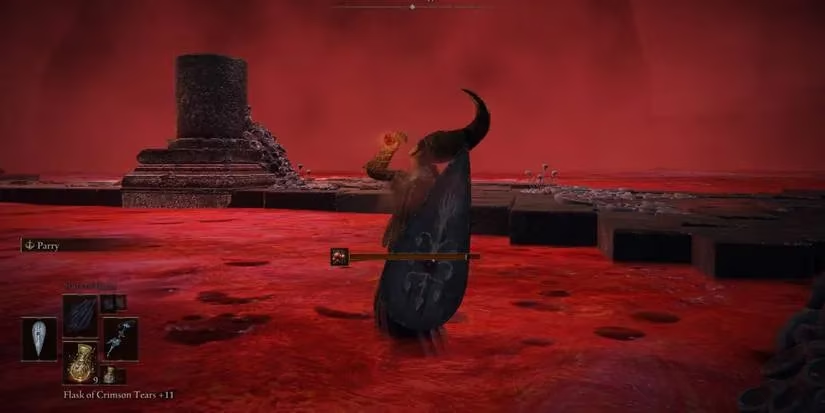
Every chosen undead, hunter, or tarnished knows the visceral relief of sipping from a healing flask. This golden—or crimson—liquid is your lifeline in worlds designed to break you. Dubbed 'Sunny D' by the community for its vibrant hue, these flasks enforce a brutal but fair early-game lesson: resource management is key. Whether it's Dark Souls' Estus Flask, Bloodborne's Blood Vials, or Elden Ring's Crimson Tears, mastering their limited use is a rite of passage. As one veteran player put it, "Running out of heals right before a boss fog is a special kind of panic." This mechanic forces strategic play, making every victory feel earned.
Gimmick Boss Fights: The Rule-Breaking Encounters
FromSoftware loves to throw a curveball with at least one major boss fight that defies conventional combat. These gimmick encounters, like Dark Souls 2's Burnt Ivory King or Elden Ring's Rykard, Lord of Blasphemy, require a specific strategy—often involving a unique weapon found in the arena. Take Rykard's Serpent-Hunter spear; it's not just a gimmick tool but a legitimately powerful weapon for general use, beloved by speedrunners. These fights level the playing field, ensuring that even a poorly optimized build can triumph with skill and persistence. They're a reminder that in these games, brute force isn't always the answer—sometimes, you need the right tool for the job.
Masters of Deception: Mimics and Disguises
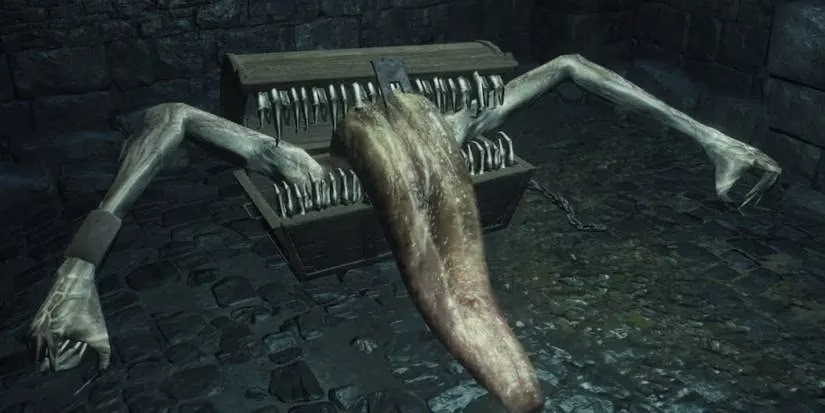
If there's one thing that unites the Soulsborne community, it's a shared trauma from chests that sprout teeth and swallow you whole. While classic Mimic chests were (thankfully) absent in Elden Ring, the spirit of deception lives on through Mimic Tears and transformation items. From the Young White Branch in Dark Souls to the Mimic's Veil in Elden Ring, players can turn into pots, statues, or even little messenger creatures to avoid detection. It's a troll move from the devs that has become a beloved part of the experience. After all, nothing says "Soulsborne" like the paranoia of smacking every chest before opening it—just in case.
The Sanctuary Hub: A Brief Respite
After the brutal "tutorial" area—which often feels like being thrown into the deep end—every game grants access to a central hub. Locations like Firelink Shrine, the Hunter's Dream, or the Roundtable Hold are safe havens where you can level up, upgrade gear, and meet enigmatic NPCs. But beware: complete safety is an illusion in a FromSoftware world. Even these hubs can harbor secrets or sudden dangers. These areas serve as narrative anchors, offering cryptic lore and a moment to catch your breath before diving back into the fray. They are the calm before—and after—the storm.
The Archtree Enigma: Connecting the Worlds
One of the most fascinating fan theories is the idea that all Soulsborne worlds are connected through the mysterious Archtrees. These giant, barren trees appear in the background of many areas, from Dark Souls' Ash Lake to the very roots of Elden Ring's Erdtree. Lore items in Elden Ring describe the Erdtree as an interdimensional entity, lending credence to the theory that each game exists on a different "branch" of a vast, cosmic tree. It's a subtle, world-building thread that rewards the most dedicated lore hunters.
The Recurring Nightmares: Classic Enemy Types
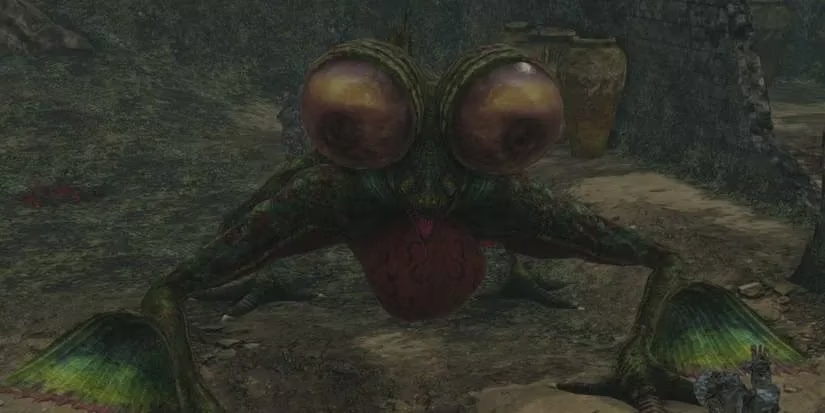
FromSoftware has a habit of recycling its most terrifying creations, and no enemy embodies this better than the Basilisk. These cursed frogs with bulging eyes are the stuff of nightmares, often lurking in packs in tight, dark spaces like sewers. Their curse mist can instantly kill you or, in Dark Souls, permanently reduce your health—a truly savage mechanic. Facing them is a test of spatial awareness and patience, making their return in each title a dreaded but expected tradition. Other recurring foes, like the skeletal wheels or the iconic Black Knights, also make appearances, creating a sense of familiar dread.
The Legendary Moonlight Greatsword: An Iconic Legacy
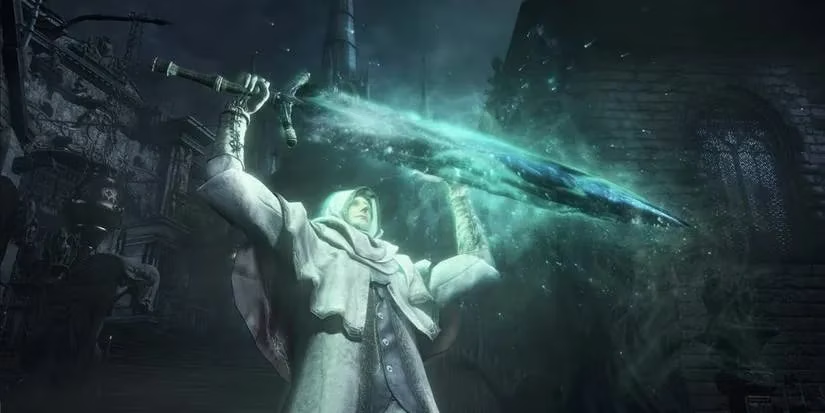
No weapon is more synonymous with FromSoftware than the Moonlight Greatsword. Its legacy stretches back to the studio's earliest titles like King's Field, and it has appeared in every major Soulsborne game except Sekiro (due to aesthetic reasons). This glowing, magic-based greatsword often requires a unique quest to obtain and typically boasts powerful beam attacks. Its consistent inclusion is a heartfelt nod to long-time fans, a piece of gaming history wieldable in every new nightmare. Each iteration gets a slight tweak—be it in name or ability—but its majestic, ethereal glow remains unmistakable.
Patches the Unbreakable: The Eternal Trickster
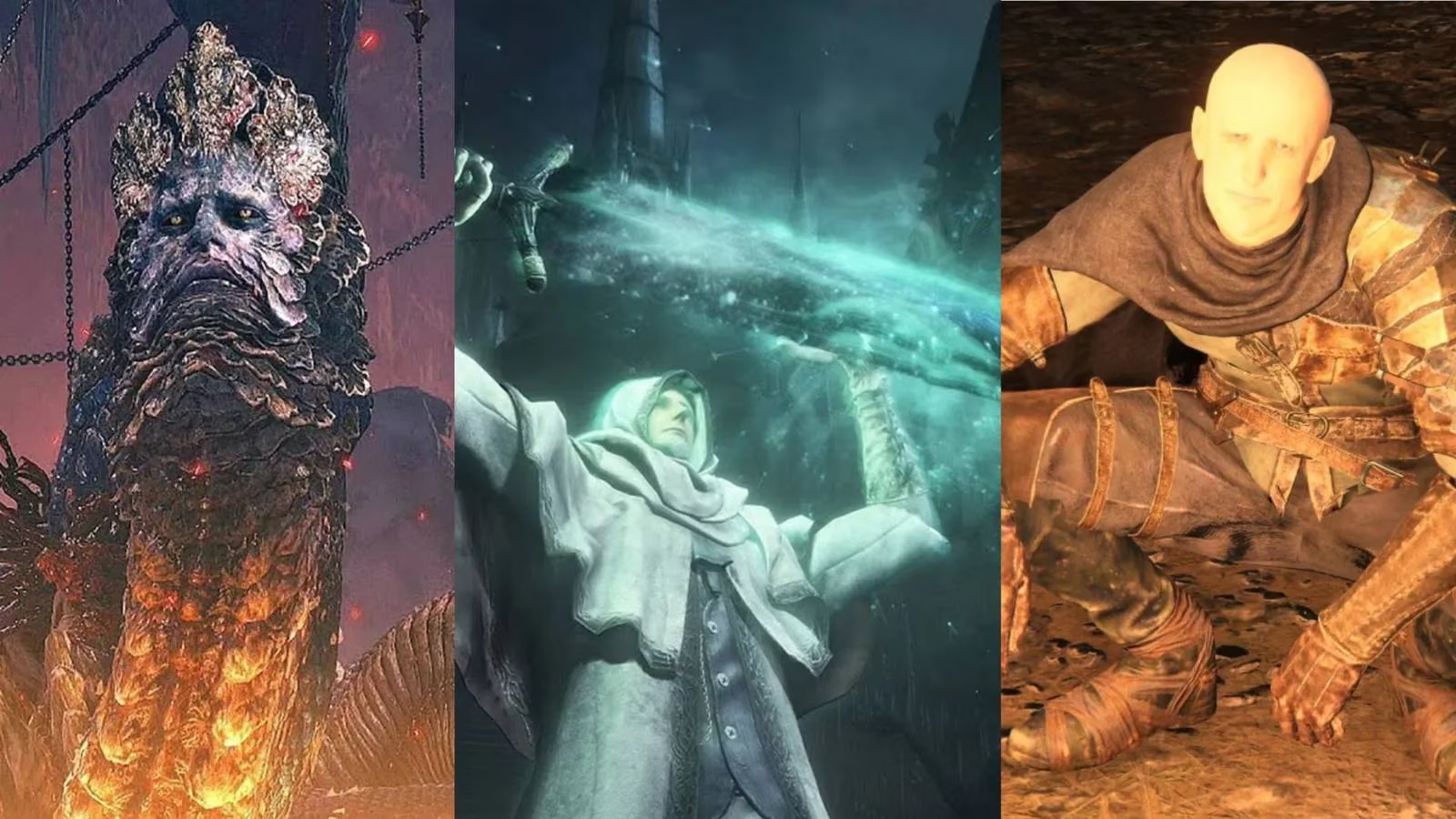
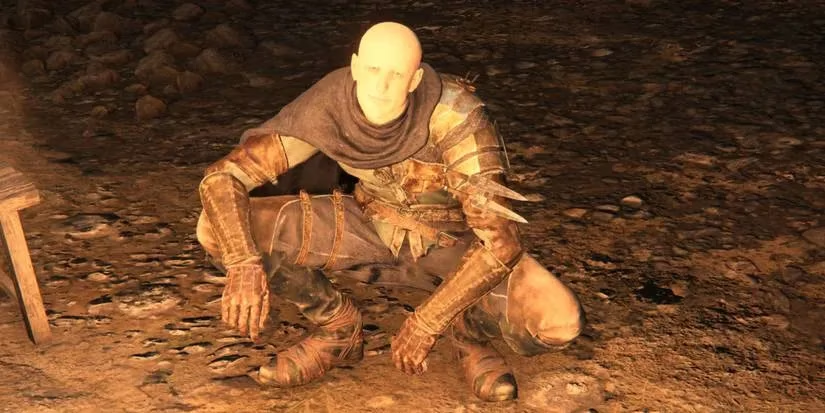
Last but certainly not least is Patches, the bald, untrustworthy schemer who has betrayed players in nearly every FromSoftware RPG. Whether he's kicking you into a pit in Dark Souls or selling you overpriced goods in Elden Ring, his presence is a guarantee. His cycle of aggression, surrender, and eventual utility as a merchant is a microcosm of the Soulsborne experience: harsh, unpredictable, but ultimately rewarding for those who persevere. His potential dying line in Elden Ring—"What a sh-- show."—is a perfect, meta-commentary on the chaotic worlds he inhabits. He's the series' most persistent inside joke, and fans wouldn't have it any other way.
Conclusion: A Formula That Works
In 2026, as speculation about FromSoftware's next project heats up, one thing is certain: these core elements will endure. They are the DNA of the Soulsborne experience, creating a cohesive identity across disparate worlds. For veterans, spotting a Basilisk or finding the Moonlight Greatsword is like meeting an old friend—albeit a friend that might try to kill you. These staples prove that in game design, some traditions are worth keeping, especially when they consistently deliver that unique blend of challenge, discovery, and sheer, unadulterated gotcha moments that define the genre. The community's love for these elements is real, and as long as FromSoftware keeps crafting worlds, players will keep coming back for more. It's simply how the cookie crumbles in these unforgiving lands. 🗡️🔥