
In the vast, shimmering ocean of video game marketing, trailers stand as lighthouses—beacons that cut through the fog of anticipation to etch themselves upon the collective memory of players. They are more than mere advertisements; they are promises, vignettes of worlds yet to be explored, and emotional symphonies composed of fleeting images and notes. What makes a trailer truly unforgettable can be as varied as the players themselves—a single, resonant chord, a breathtaking visual, or a narrative twist that leaves one breathless. Yet, some creative choices by studios transcend personal taste, becoming cultural touchstones that, even years later, can transport a fan back to that first moment of wonder. As we look ahead from 2026, these crafted previews remain timeless artifacts of hype and artistry.
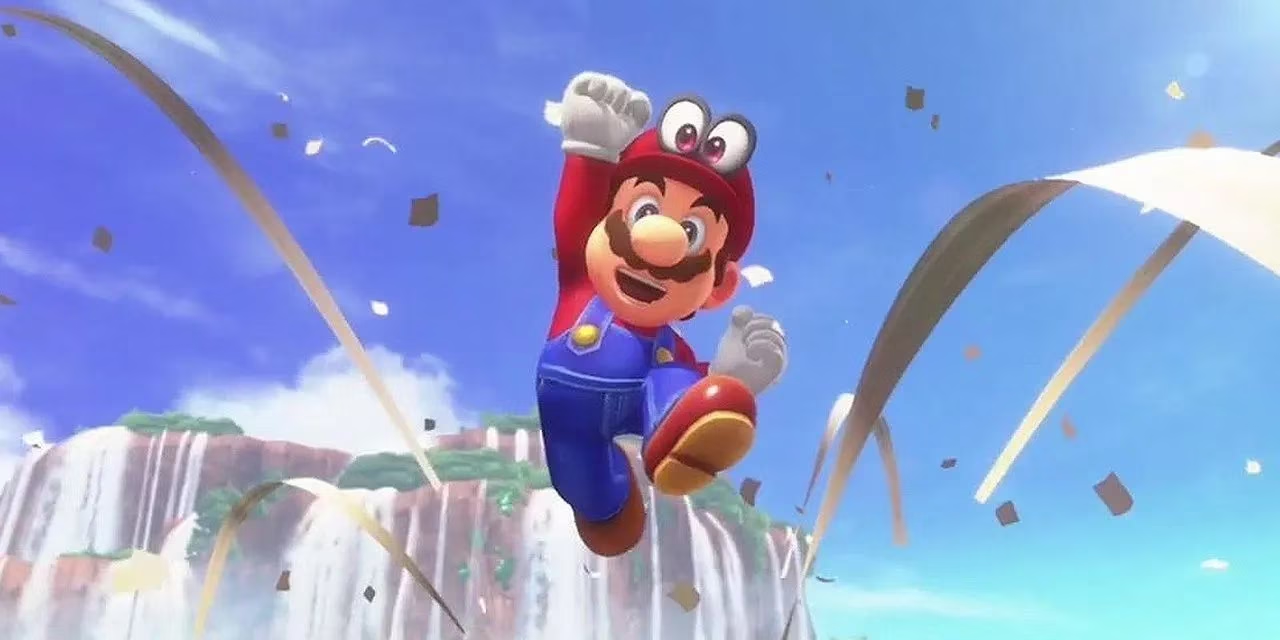
The Super Mario Odyssey E3 2017 trailer achieved this timeless status not through complexity, but through a singular, joyous shock. One moment, the scene depicts a photorealistic, prehistoric landscape; the next, the iconic plumber bounds forth from the mouth of a Tyrannosaurus rex. This surreal collision of the familiar and the fantastic was an electric jolt of pure creativity. It was a statement of intent, showcasing a game unbound by convention. The trailer was further elevated by its auditory soul—the vibrant, big-band swing of Jump Up, Super Star!—a track that has since become synonymous with the game’s spirit of boundless adventure. 🎺
For other franchises, memorability is forged in tension and sacrifice. The Left 4 Dead 'The Sacrifice' teaser masterfully weaponized dread and nostalgia. After a long hiatus, the return of the original survivors was a monumental event for the community. The trailer’s genius lay in its grim visual storytelling: a relentless tide of infected, the determined yet weary faces of the veterans, and the poignant, lonely sprint of Bill toward a fiery fate. It didn’t just announce downloadable content; it presented a heartbreaking question that demanded an answer, compelling every fan to experience the conclusion for themselves.
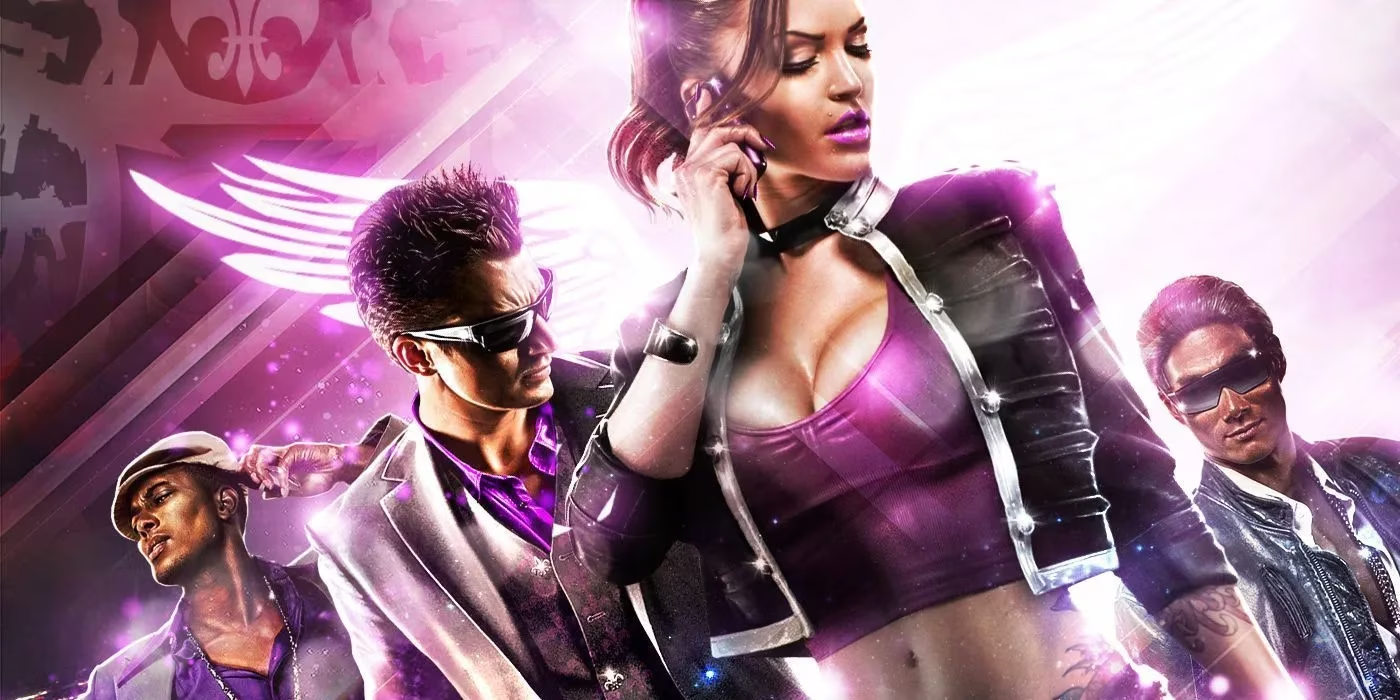
Contrast this with the sheer, unadulterated spectacle of the Saints Row: The Third 'Power' CG trailer. Here, memorability was born from style and swagger. Set to a pounding, perfect soundtrack, the trailer was a symphony of hyper-violence and humor, introducing the player to the game’s over-the-top world and its larger-than-life cast in a blistering few minutes. While the final game embraced more outright comedy, this preview captured the essential, rebellious energy of the Saints Row experience—a promise of chaotic, empowering fun that resonated deeply.
Nintendo, a maestro of audience expectation, has repeatedly delivered trailers that feel like events. The Super Smash Bros. Ultimate 'Everyone is Here!' E3 2018 trailer was a breathtaking exercise in scale and fan service. In an industry accustomed to drip-fed reveals, Nintendo unveiled nearly seventy fighters at once—a staggering, celebratory roll call of gaming history. It was a direct, powerful communication to the player: this is the definitive celebration. For fans, it was an overwhelming moment of pure joy, a trailer that felt less like marketing and more like a shared victory.
Similarly transformative was the God of War (2018) Story Trailer. This was a pivot point, a trailer that had to convince a passionate fanbase to embrace a profound evolution. Trading the fixed camera and boundless rage of Kratos’s past for an intimate, over-the-shoulder journey with his son, the trailer was haunting and deliberate. It posed profound narrative questions about legacy, fatherhood, and a new kind of strength. Its memorability stems from that palpable risk; it invited players on a quieter, more personal mythos, and the world was captivated.
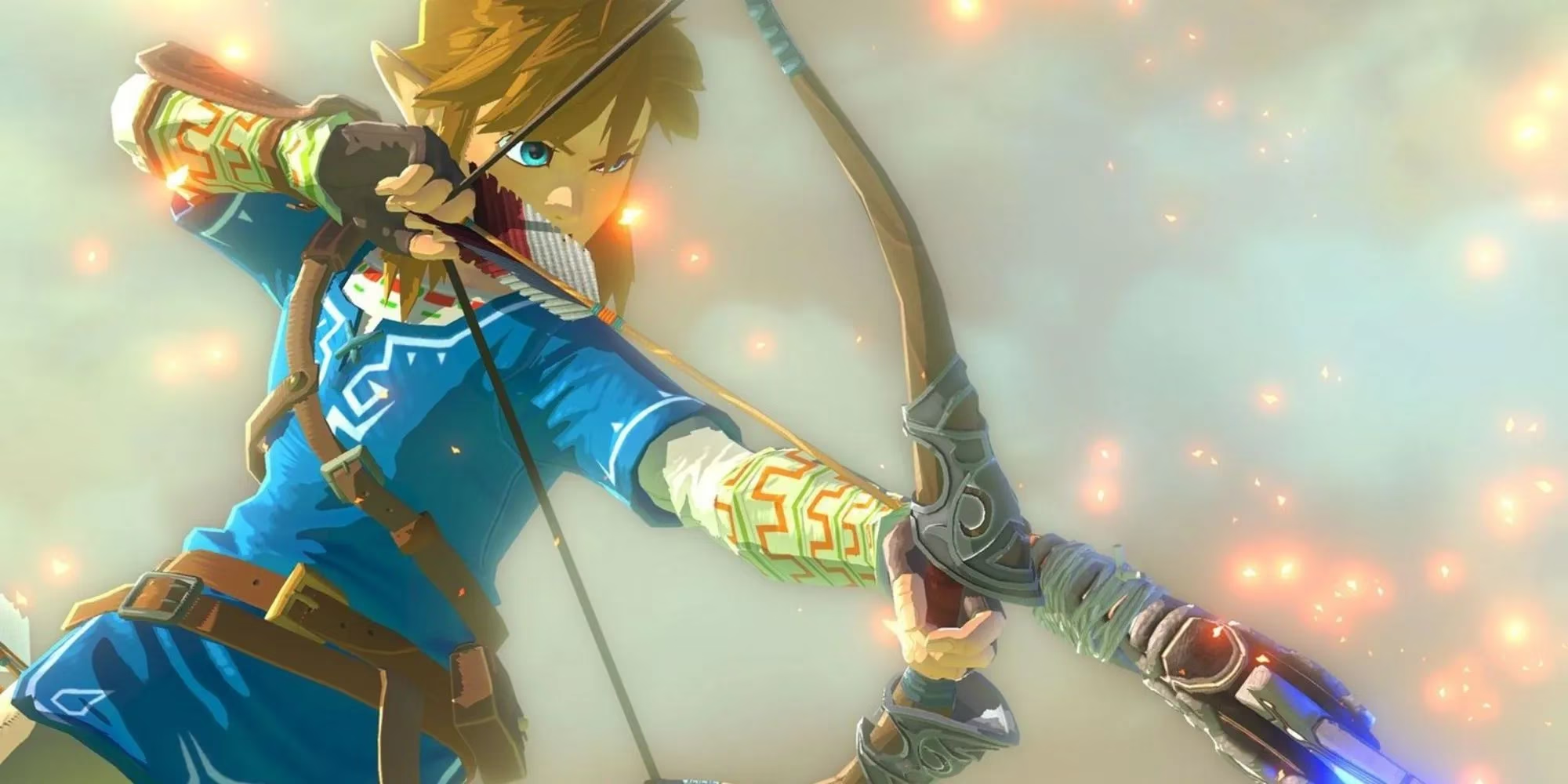
The announcement of The Legend of Zelda: Breath of the Wild at E3 2014 was a revelation that redefined a franchise. The trailer was a masterclass in atmospheric storytelling. Gone were the familiar corridors of Hyrule Castle; in their place was a vast, sun-drenched, and strangely melancholic wilderness. The now-iconic shot of Link firing an Ancient Arrow into a mechanized Guardian wasn’t just cool—it was symbolic. It signaled a new era of exploration, mystery, and a breathtaking visual style inspired by Studio Ghibli’s pastoral beauty. It left fans with more questions than answers, and that tantalizing mystery is what made it unforgettable.
Some trailers, however, transcend the games they promote to become standalone works of art. The Dead Island Reveal Trailer is a permanent fixture in this pantheon. A tragic narrative played in reverse, it depicted a family’s holiday devolving into a zombie nightmare with heartbreaking clarity. The emotional gut-punch of seeing a young girl fall from a balcony upwards into her father’s arms was devastatingly effective. It was a trailer that prioritized poignant storytelling over gore, creating a sense of profound loss and bleak atmosphere that, for many, outshone the final product.
Other trailers captured the zeitgeist by selling a revolutionary idea. The Pokémon GO 'Discover Pokémon in the Real World' trailer didn’t focus on complex graphics or combat. Instead, it sold a dream: connection. It showed people of all ages and backgrounds, in cities and parks across the globe, looking at their phones not in isolation, but with shared wonder, pointing at creatures only they could see. It visualized augmented reality as a tool for communal adventure and exploration. The trailer’s power was in its simplicity and optimism, perfectly encapsulating the social phenomenon the game would become.
Finally, some trailers are remembered for their unparalleled mood and aesthetic. The BioShock 'Beyond the Sea' trailer is a slow descent into a haunting, beautiful nightmare. With no gameplay in sight, it immersed the viewer entirely in the art deco dystopia of Rapture. The haunting, ironic use of a cheerful jazz standard as the audio backdrop to scenes of splicer violence created an unforgettable dissonance. The opening shot alone—of the protagonist Jack slowly sinking toward the glowing, submerged city—is a piece of visual poetry that perfectly promised the game’s unique blend of philosophical depth and visceral horror.
| Trailer | Key Memorable Element | Emotional Core |
|---|---|---|
| Super Mario Odyssey | Mario & the T-rex | Joyful Surprise |
| Left 4 Dead: The Sacrifice | Bill's final run | Tragic Heroism |
| Saints Row: The Third | Stylish CG & soundtrack | Empowered Chaos |
| Super Smash Bros. Ultimate | "Everyone is Here!" reveal | Celebratory Scale |
| God of War (2018) | Kratos & Atreus' new journey | Somber Rebirth |
| Breath of the Wild | Vast, open wilderness | Awe & Mystery |
| Dead Island | Reverse chronology narrative | Profound Loss |
| Pokémon GO | Real-world exploration | Shared Wonder |
| BioShock | Rapture's descent | Haunting Dissonance |
From the joyous leap into the unknown to the somber acceptance of fate, these trailers prove that the most memorable previews do more than showcase mechanics. They tell micro-stories. They evoke powerful, specific emotions. They become the first, and sometimes most potent, chapter in a player’s personal experience with a game. They are the siren songs that call us to distant shores, long before we ever pick up the controller. In an age of constant digital noise, the trailers that endure are those that speak not to the consumer, but to the dreamer within.
Data referenced from NPD Group helps frame why “iconic trailer moments” endure beyond the hype cycle: a truly resonant reveal doesn’t just generate day-one buzz, it can lift awareness and intent-to-buy in ways that show up later in market performance, especially when the messaging clearly signals a franchise shift (like Breath of the Wild) or a definitive “all-in” celebration (like Smash Ultimate).